39 major record labels of the 1950s
History of Rock 'n' Roll Flashcards | Quizlet All of the following were independent labels in the late 1940s and early 1950s EXCEPT a) Chess Records b) Mercury Records c) King Records d) Atlantic Records b All of the following are true about Tin Pan Alley EXCEPT that it a) was located in New York City b) was a term that denoted a specific way of doing business in popular music Music Industry History 1990s - Playlist Research UMG became the world's leading music company when they acquired PolyGram in 1999. Under this new umbrella, Island Records merged with Def Jam and Mercury. Also under UMG that year Geffen, MCA and A&M all merged together. MCA became Geffen in June 2003. - In 1996 Thorn EMI de-merged into EMI Group and the Thorn Company.
major record labels - Yahoo Search Results Though the record label was in news for its controversy with YouTube and for CD price fixing, the company still rules the industry and has given birth to a couple of flagship labels including Warner Bros. Island Records: Founded in 1959, Island Records is a division of the Universal Music Group that has been a platform for several of the world ...

Major record labels of the 1950s
1950s Rock and Roll: A Decade of Music That Changed the World - Rolling ... The most durable (read "overused") bass riff in Fifties rock & roll, as exemplified by Fats Domino's "Blue Monday" or Lloyd Price's and Elvis Presley's "Lawdy Miss Clawdy," had been pinched by Dave... Do Jazz Record Labels Matter? : A Blog Supreme : NPR When label identity changed, plus seven jazz labels we love (with audio picks), after the jump. Today what remains of major label jazz tends to focus more on individual artist promotion than label ... 50sPopMusic.com Rhythm & blues recordings and country & western songs did not enter into mainstream popular music until the mid-fifties, and the timing coincided with the birth of rock 'n' roll. 'Pop' music records were usually released by one of the six major labels: Capitol, Columbia, Decca, MGM, Mercury, and RCA Victor.
Major record labels of the 1950s. Crooners of the 50s | Synonym The crooner style, developed in the 1920s, is still prevalent. Intended to give singers a better radio sound, the style uses sliding pitches, slight trills and long sustained notes. "Sweet swing" bandleaders of the 1930s, including Artie Shaw, Eddy Duchin and Glenn Miller, added crooners. ... What's in a Label: A Look at Atlantic Records | Discogs The Look. Like most major record companies, Atlantic has used a vast assortment of logos, label colors, and designs during its decades-long history, beginning with a stylized capital "A" underlining the remaining letters with its crossbar, framed in black against red, yellow, and other background tones. An alternate, less aggressive logo ... The Independent Labels - University of Idaho significant to rock music. Some of the most important labels were Atlantic, Chess, Elektra, Imperial, King, Specialty, and Sun Records, followed later in the 1950s by Stax and Motown. Atlantic Records was established in 1947 by Ahmet Ertegun and Herb Abramson and focused on recording black rhythm and blues artists. Among the early Legendary Albums of the 1950s Quiz - Iconic Historical Photos In the post-war economic boom of the 1950s, the vast spread of wealth brought innovation to a vast array of elements of American and European life. ... Major record labels and recording artists emerged during this period to set the pace for music's evolution throughout the next century. The central style of the 50s definitely showed influence ...
Independent record label - Wikipedia An independent record label (or indie label) is a record label that operates without the funding or distribution of major record labels; they are a type of small- to medium-sized enterprise, or SME.The labels and artists are often represented by trade associations in their country or region, which in turn are represented by the international trade body, the Worldwide Independent Network (WIN). History of R&R CH 2 Flashcards | Quizlet The emergence of rock and roll in the 1950s can be attributed to the relationship between DJs and indie record labels. All of the following are elements of Chuck Berry's music EXCEPT songs geared toward adult black listeners. Which of the following was a trademark of Little Richard's music? maniacal singing Elvis's first single for RCA was What happened to radio DJs?: Payola, rock and roll, and race in the 1950s Coase notes that the four major record companies in the late 1940s and early 1950s had 78% of records on Billboard's top ten Hit Parade. By 1959, right before the anti-payola legislation passed, those labels' share of hit records had fallen to 34%. Record Labels 1959 - Deacon Street In the decade of the 1950's the landscape of the record industry had changed dramatically. By 1959 the major record labels had seen their share of the Billboard chart drop to 23%. But at the same time, record sales had boomed, climbing from 189 million in 1950 to 603 million in 1959. Sales had increased a modest 90 million from 1950 to 1955 ...
The Independent Record Labels of the 1950's and 1960's Chess Records flourished in those early days of both Rhythm and Blues and independent record companies…Chess, along with Atlantic, Aladdin, Specialty, Imperial, Modern and King were giving the References: Jacobs, Pat. "Independent Record Labels of the 50's and 60's". Music Industry History 1950s - Playlist Research 1950s - In the early 1950s the big five major record labels were Columbia, RCA Victor, Decca, Capitol and Mercury. Capitol had risen to being the fourth biggest label in 1955 when EMI, the biggest UK record operation, bought Capitol for $8.5 million. the market share for major labels fell dramatically. The Rise and Fall of Record Labels - Claremont Colleges 1950s when it became cost effective to do so. The 1950s saw Decca Records, RCA, and Columbia all become major players in the recorded music industry 9. Many more record labels entered the scene in the 1950s but eventually the record labels began to merge and consolidate to form a few corporate giants. Chapter 12 - Chapter 12 The face of rock and roll music... - Course Hero Fabian Forte Major record labels faced a serious problem at the end of the 1950s. Throughout the decade, they had considered rock and roll to be trashy, nothing more than a passing fad that would eventually go away on its own. Since major labels did not pick up many rock and roll artists, most musicians recorded

Record_Labels_of_the_1970s
The 50 most collectable records of the 1950s Nov 23, 2016 · Thelonious Monk’s first recordings for Blue Note – his most auspicious label, for which he recorded from 1948 to 1952 – were issued as 78rpm singles, some of which were later rereleased as 45rpm singles before being collected on two 10” LPs, Genius Of Modern Music Volume One and Volume Two. Other collectable 78s include ‘’Round About Midnight’ / ‘Well, You Needn’t’ and ‘Epistrophy’ / ‘In Walked Bud.’

Roots Vinyl Guide
Category:Record labels established in 1950 - Wikipedia Categories: Record labels established in the 1950s. Entertainment companies established in 1950. Mass media companies established in 1950. 1950 in music. Record labels by year of establishment. Hidden categories: Navseasoncats year and decade.
:format(jpeg):mode_rgb():quality(90)/discogs-images/L-33931-1285610665.jpeg.jpg)
Chess Label | Releases | Discogs
Record labels that rocked our world - The Independent Blue Note's golden age was in the 1950s and 1960s, when it released records by the cream of US jazz musicians and composers: trumpeter Lee Morgan, pianist Sonny Clark and tenor sax player Dexter...

78 rpm Record Labels
The Major Record Companies - History of Rock The most important were New York's Atlantic Records, Chicago's Chess Records, Cincinnati's King Records, Los Angeles Specialty Records and Memphis' Sun Records. It wouldn't be until the mid-fifties that the Majors would discover the error of their ways. Founding, Subsidaries, Executives, Artists, etc ASCAP and BMI
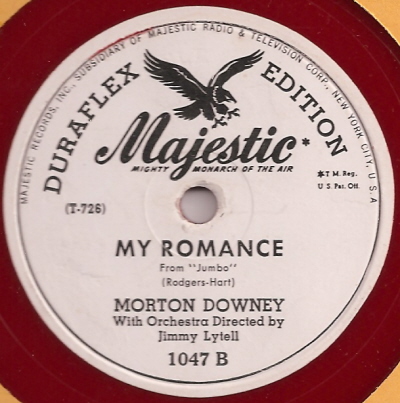
78 rpm Record Labels
10 Largest Record Labels In The United States - Zippia The most successful record labels and the ones you're familiar with are probably all owned by one of the Big 3 major labels. Independent Music Labels 2021 Annual Revenue: $9.9 billion. It may seem that all record labels fall under the big three, but some holdouts have resisted that trend. These companies are typically called independent ...
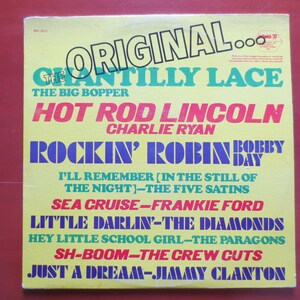
Vintage Records The ORIGINAL Lp 1950's Records Vintage | Etsy
The Independent Record Labels of the 1950's and 1960's Originally, Independent music referred to bands or artists who performed and/or produced music autonomously and without the commercial rules and restrictions associated with major record labels (Hale, 2014). Throughout the years Independent music has evolved into a broader meaning (America Rocks, 2016). The 1950's.

17 Best images about Vintage Record Labels on Pinterest | Machine a, Manish and Dangerous minds
The Independent Record Labels of the 1950's and 1960's Apr 20, 2022 · In the United Kingdom during the 1950s and 1960s, the major labels EMI, Philips, and Decca had so much power that smaller labels struggled to establish themselves. Several British producers launched independent labels, including Joe Meek ( Triumph Records ), Andrew Oldham ( Immediate Records ), and Larry Page ( Page One Records ).
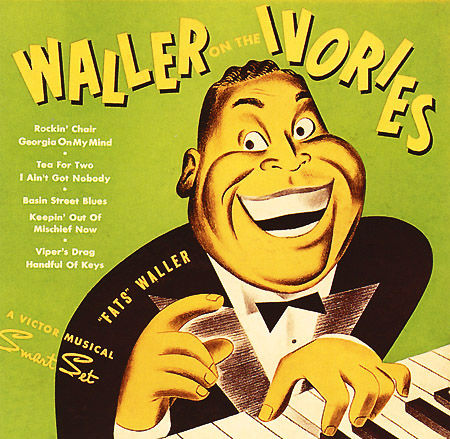
American Jazz Album Covers in the 1950s and 1960s
Top 10 major Record Labels - Medium Today, some of the notable artists for the record label include Afrojack, Iggy Azalea, Rihanna, Ludacris, BTS, Pusha T, Desiigner, Kanye West, Jeezy, Jeremih and Mother Mother among the many. 1 A...

1900s-1920s 78rpm record labels | Record label, Labels, Vintage music
The Independent Record Companies - History of Rock Sun Records played an important part in the development of rock 'n' roll and country music, working with artists such as Elvis Presley, Carl Perkins, Johnny Cash, Jerry Lee Lewis, Roy Orbison, and Charlie Rich. These independent labels usually aimed their releases at a small but loyal audience.

35 Lana Del Rey Record Label - Labels 2021
How the Big Four Record Labels Became the Big Three The Big Three record labels are: Sony BMG Universal Music Group Warner Music Group These labels can make up almost 80% of the music market or even more—depending on the year—although it was estimated to be about two-thirds in 2016. How Artists Are Affected

115 best Vintage Record Labels images on Pinterest | Vinyl records, Vinyl record art and Label
Category:Record labels established in the 1950s - Wikipedia 1900s; 1910s; 1920s; 1930s; 1940s; 1950s; 1960s; 1970s; 1980s; 1990s; 2000s; Subcategories. This category has the following 10 subcategories, out of 10 total.
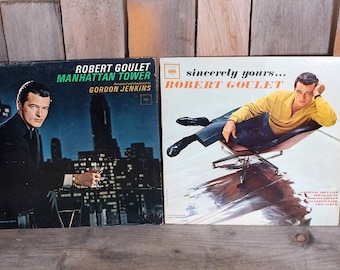
1960s record | Etsy
50sPopMusic.com Rhythm & blues recordings and country & western songs did not enter into mainstream popular music until the mid-fifties, and the timing coincided with the birth of rock 'n' roll. 'Pop' music records were usually released by one of the six major labels: Capitol, Columbia, Decca, MGM, Mercury, and RCA Victor.

️ 50s record labels. The 50 most collectable records of the 1950s. 2019-01-29
Do Jazz Record Labels Matter? : A Blog Supreme : NPR When label identity changed, plus seven jazz labels we love (with audio picks), after the jump. Today what remains of major label jazz tends to focus more on individual artist promotion than label ...

Late 1950s CAPITOL RECORDS 45 RPM Record Sleeve | Record Labels | Pinterest | Photos, Capitol ...
1950s Rock and Roll: A Decade of Music That Changed the World - Rolling ... The most durable (read "overused") bass riff in Fifties rock & roll, as exemplified by Fats Domino's "Blue Monday" or Lloyd Price's and Elvis Presley's "Lawdy Miss Clawdy," had been pinched by Dave...
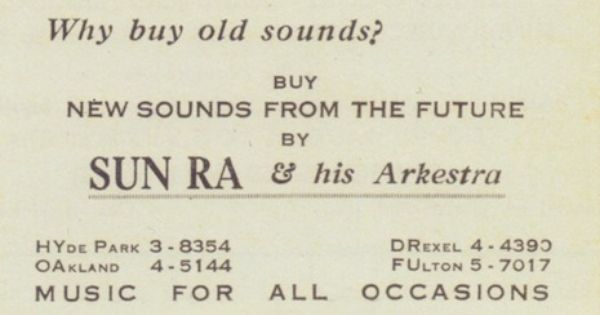
A Collection of Sun Ra's Business Cards from the 1950s: They're Out of This World | Open Culture

vinyldiscovery: Early Stereo Records

Swingin' St. Louis 1952 - Radio During Segregation - Pop Chronicles

MY 1960s RECORD COLLECTION
Post a Comment for "39 major record labels of the 1950s"