39 understanding ingredients on food labels
How to understand food labels - Eat For Health The Nutrition Information Panel on a food label offers the simplest and easiest way to choose foods with less saturated fat, salt (sodium), added sugars and kilojoules, and more fibre. It can also be used to decide how large one serve of a food group choice or discretionary food would be and whether it's worth the kilojoules. How to Understand and Use the Nutrition Facts Label | FDA Dietary fiber, vitamin D, calcium, iron ad potassium are nutrients on the label that Americans generally do not get the recommended amount of. They are identified as nutrients to get more of....
Understanding food labels - Canada.ca Find information on food labels and how to understand them. Learn about nutrition facts tables, serving size, list of ingredients, % daily value and nutrition claims.

Understanding ingredients on food labels
How To Read Food and Beverage Labels | National Institute on … 24.02.2022 · Understanding what’s in the foods and beverages we may consume can help us make healthier decisions.In many countries, including the United States, packaged foods and drinks — the types that come in cans, boxes, bottles, jars, and bags — include nutrition and ingredient information on their labels. › kosher-symbolsUnderstanding Kosher Symbols and Certifications - The Spruce Eats Aug 12, 2019 · Some kashrut agencies have been involved in food manufacturing scandals. Some hechshers are bestowed by rabbis operating solo, which tends to spark questions about training, credentials, personal religious practice, the ability of said rabbis to be present on-site for proper inspection of food manufacturing facilities, etc. How to Read a Food Label | Food Allergy Research & Education While all ingredients in a food are supposed to be listed in the ingredients list, FALCPA covers only the eight most common allergens. These are milk, egg, peanut, tree nuts, soy, wheat, fish and crustacean shellfish. Note that molluscan shellfish—such as oysters, clams, mussels or scallops—are not required to be labeled as a major allergen.
Understanding ingredients on food labels. Reading Food Labels | ADA - American Diabetes Association Understanding Food Labels. It’s time to decode those food claims. Trying to figure out nutritional information on labels and packaging isn’t easy. The good news is that we can help. Untangle packaging claims. If you get tripped up on food content claims, you’re not alone. Fat free vs. low fat vs. reduced fat. Low cholesterol vs. reduced cholesterol. It’s confusing, and it … Food label: ingredient list - Canada.ca This means that a food contains more of the ingredients found at the beginning of the list, and less of the ingredients at the end of the list. Example: The ingredient list below is for bran cereal. The ingredient that is present in the largest amount is whole wheat , and the ingredient present in the smallest amount is minerals . Understanding Food Labels food labels? No. The only foods that have to be declared are those the FDA considers major food allergens: milk, wheat, egg, peanuts, tree nuts, fish, crustacean shellfish, and soy, or ingredients that contain proteins from these foods. Do major food allergens contained in dyes (food coloring), spices, flavorings, additives and processing Understanding Ingredients on Food Labels - American Heart Association There are many terms used for sugar on food labels. You might see sugar listed as the fourth ingredient in a product and think it's not so bad. But sugar can also be listed as high-fructose corn syrup or corn syrup, agave nectar, barley malt syrup or dehydrated cane juice, to name just a few. Read more about sugar and sweeteners.
› nutritionsource › food-labelUnderstanding Food Labels | The Nutrition Source | Harvard T ... Chile implemented the Law of Food Labeling and Advertising in 2016, comprised of mandatory front-of-package (FOP) warning labels, restrictions on child-directed marketing, and the banning of sales in schools of all foods and beverages containing added sugars, sodium, or saturated fats that exceeded set nutrient or calorie thresholds. [1] Understanding Ingredients on Food Labels - Professional Heart Daily ... There are many terms used for sugar on food labels. You might see sugar listed as the fourth ingredient in a product and think it's not so bad. But sugar can also be listed as high-fructose corn syrup or corn syrup, agave nectar, barley malt syrup or dehydrated cane juice, to name just a few. Read more about sugar and sweeteners. Reading & Interpreting Ingredient Lists on Food Labels The ingredients are listed by weight; the ingredient that has the highest weight is listed first, and the ingredient with the lowest weight is listed last. This is important as we examine which... › wp-content › uploadsUnderstanding the Interstitial Cystitis/Painful Bladder ... Sep 18, 2009 · useful in an IC diet. Always read labels to look for hidden triggers. 5. Try different brands. Many "brands" of the same food have completely different ingredients and additives and could irritate the bladder. 6. Avoid foods that you know you are allergic to even if they are included in this diet guide. Pre-existing food allergies, such
Understanding Food Labels - Food Ingredient Facts Food labels are required to list all ingredients contained in the food in descending order based on the amount found in the final product. Most food additives are therefore found toward the end of the ingredient list. This indicates they are used in very small amounts in the food, generally less than two percent of the product. › drugs › understanding-over-counterSunscreen: How to Help Protect Your Skin from the Sun | FDA Nov 08, 2021 · The labels are required to state whether the sunscreen remains effective for 40 minutes or 80 minutes when swimming or sweating, and all sunscreens must provide directions on when to reapply ... Food Labeling & Nutrition | FDA Food labeling is required for most prepared foods, such as breads, cereals, canned and frozen foods, snacks, desserts, drinks, etc. Nutrition labeling for raw produce (fruits and vegetables) and ... How to Read a Food Label - WebMD A serving of a food labeled "reduced" must have 25% less of the ingredient (such as fat) than a serving of the regular version. One serving of a "light" food must have 50% less fat or 1/3 fewer ...
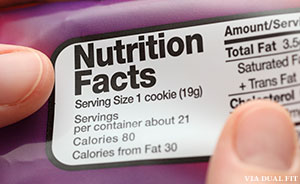
Food Labels: 5 Harmful Ingredients To Avoid | ThePostGame.com
Understanding Ingredients In Food Labels | Eufic The quantity of a product's main or characterising ingredients must be declared, usually as a percentage, when the ingredient (or category of ingredient) appears in the name of the food, is normally associated with that food, or is given particular emphasis in the label (e.g. highlighted or pictured). Explaining ingredients

Food label ingredients, good to consume and not good to consume. Pg 3 of 7. | Flavor enhancers ...
Understanding Food Labels - Nutrition: Science and Everyday Application The FDA uses the following definitions for interpreting the %DV on food labels:4 5%DV or less means the food is low in a nutrient. 10% to 19%DV means the food is a "good source" of a nutrient. 20%DV or greater means the food is high in a nutrient.
Woman inspecting tomato with magnifying glass. - Food Ingredient Facts
Understanding Food Labels | Nutrition facts, ingredients, claims, high Reading food labels is a must when food shopping! Prepackaged foods are required to have nutrition labels. Food labels are voluntary for "fresh foods" such as raw meats, fish, poultry, fruits, and vegetables. The Nutrition Facts on the food label must show the following information: u0007Serving Size. A uniform amount for all labels.
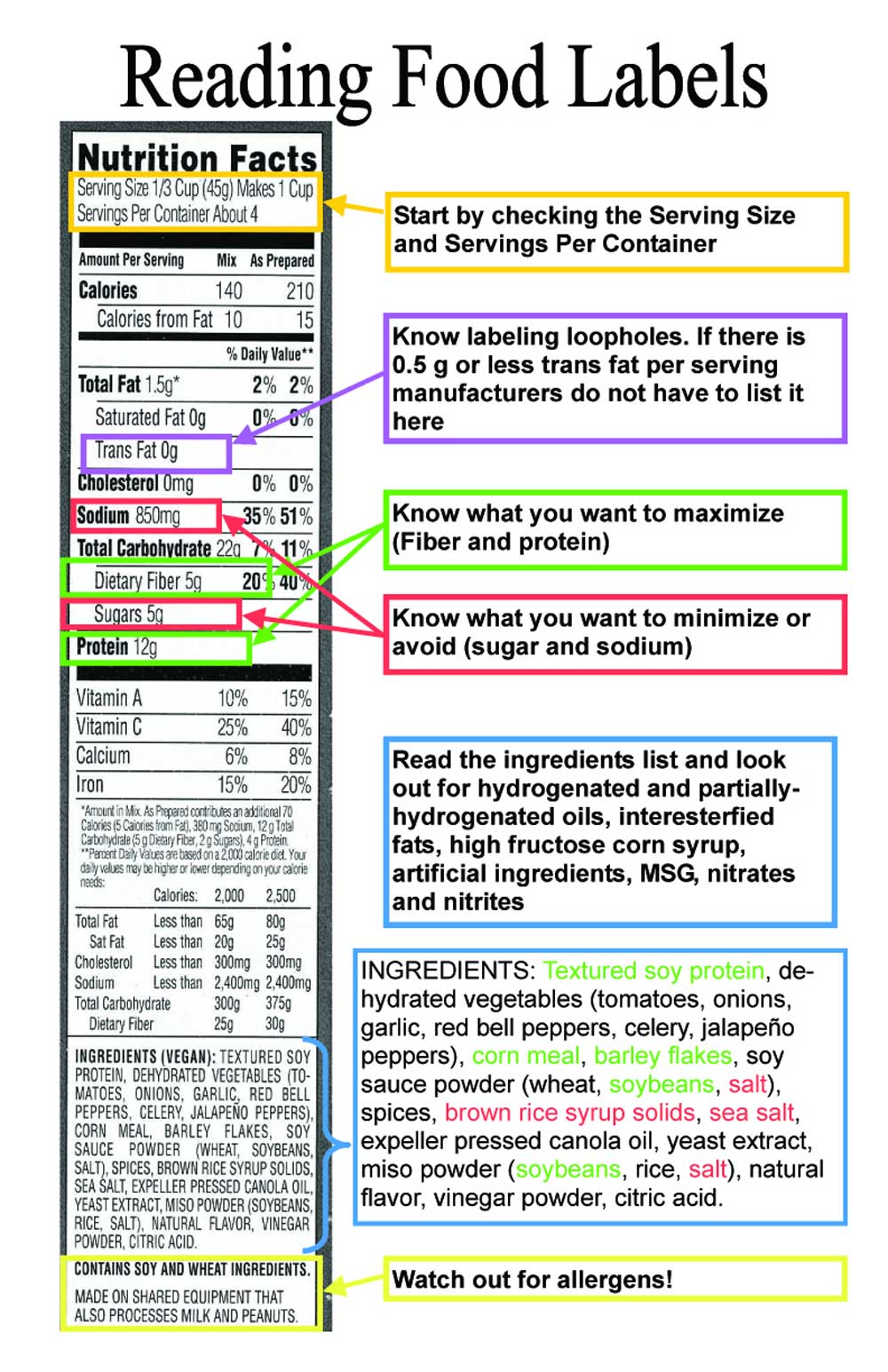
Unit 4: Grade 9 Foods, Tourism.Com - An Introduction to Foods
Understanding Food Nutrition Labels | American Heart Association When the Nutrition Facts label says a food contains "0 g" of trans fat, but includes "partially hydrogenated oil" in the ingredient list, it means the food contains some trans fat, but less than 0.5 grams per serving. So, if you eat more than one serving, you could end up eating too much trans fat.

Purple Please - Top Purple Plants for Your Garden | Espoma
How to Read a Dog Food Label - American Kennel Club Quick Tip: Look at the basic four: protein, fat, fiber, and water. Many states have regulations requiring the minimum amount of nutrients a pet food must contain, as well as the maximum amount of ...

10 Rules for Reading a Food Label - Doctablet® Video
How to Read Food Labels Without Being Tricked - Healthline Study the Ingredients List Product ingredients are listed by quantity — from highest to lowest amount. This means that the first ingredient is what the manufacturer used the most of. A good rule of...
Food Allergen Labels: Guidance & Free Template Download
Understanding Food Nutrition Labels - American Heart Association When the Nutrition Facts label says a food contains "0 g" of trans fat, but includes "partially hydrogenated oil" in the ingredient list, it means the food contains some trans fat, but less than 0.5 grams per serving. So, if you eat more than one serving, you could end up eating too much trans fat.
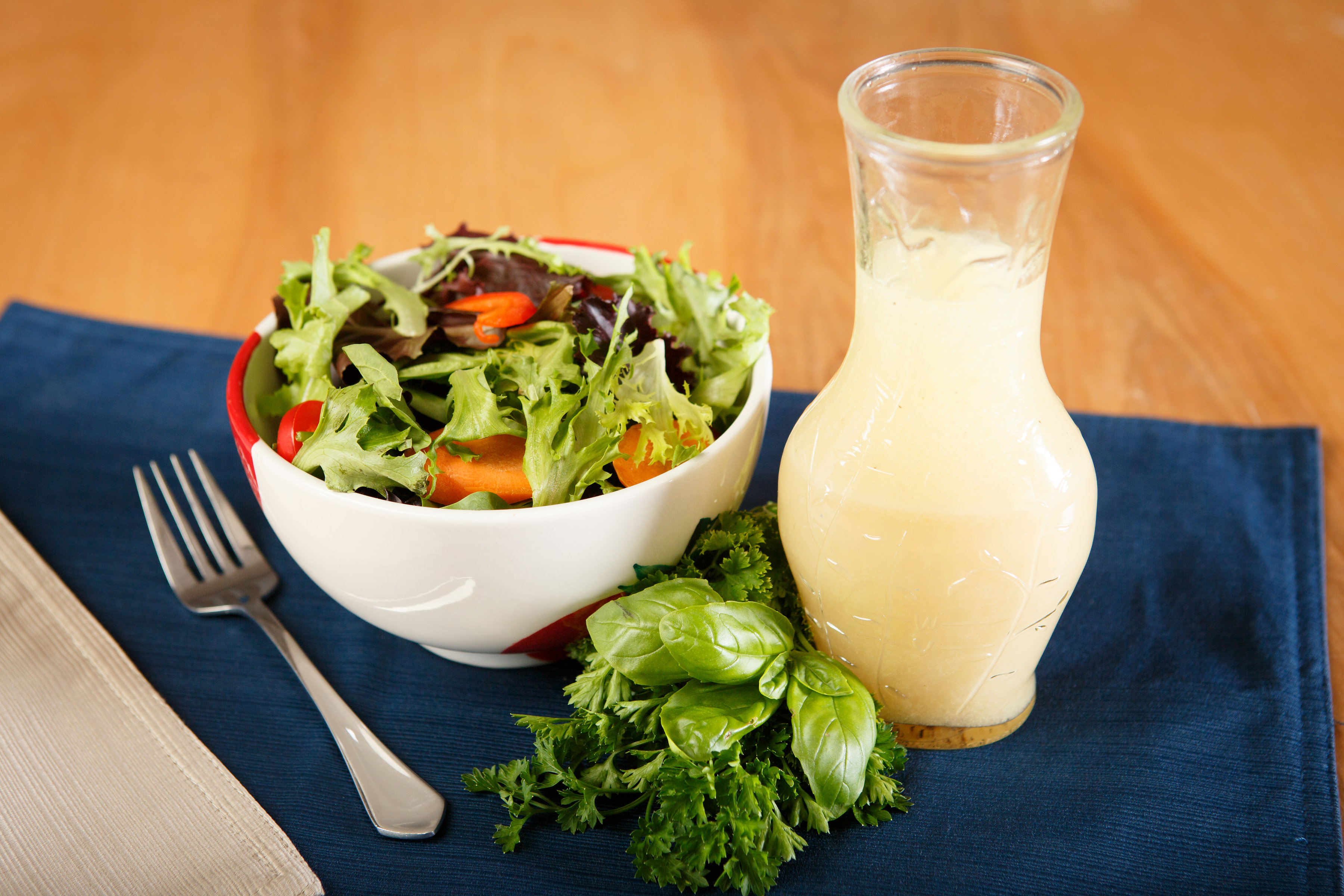
Vinaigrette Salad Dressing
Understanding Food Labels - Home & Family Ingredient List. Packaged food products include a list of ingredients used in making the food. Ingredients are listed in order of weight with the most abundant ingredient appearing first, and the ingredient in the smallest amount being last on the list. Healthy eating tip: avoid buying foods that list sugar in the top 5 ingredients. Best Before ...

Do food labels tell the full story?
› understanding-food-labelsUnderstanding food labels | Diabetes UK It’s important to check the ingredients list or back of pack label so you can compare two products like for like per 100g. Six ways to be label savvy. Follow these tips to become expert at understanding labels in minutes: With traffic light labels, go for green, occasionally amber, and red only as a treat.

How to Read Food Labels | Institute of Health Sciences
Understanding Food Nutrition Labels - American Heart Association When the Nutrition Facts label says a food contains "0 g" of trans fat, but includes "partially hydrogenated oil" in the ingredient list, it means the food contains some trans fat, but less than 0.5 grams per serving. So, if you eat more than one serving, you could end up eating too much trans fat.

How To Read Food Labels, And Why It's Important - Get Your Dose Of Endolphins
How to Read Supplement Labels Like a Pro - Healthline Keep in mind that ingredients are listed in order of predominance, with those that are present in the highest amounts listed first. summary Supplements list ingredients on their label in order of...

Espoma | 2019_Cow_Manure_1cu_4695
› regulatory-information › search-fdaGuidance for Industry: Food Labeling Guide | FDA Questions concerning the labeling of food products may be directed to the Food Labeling and Standards Staff (HFS-820), Office of Nutrition, Labeling, and Dietary Supplements, Center for Food ...
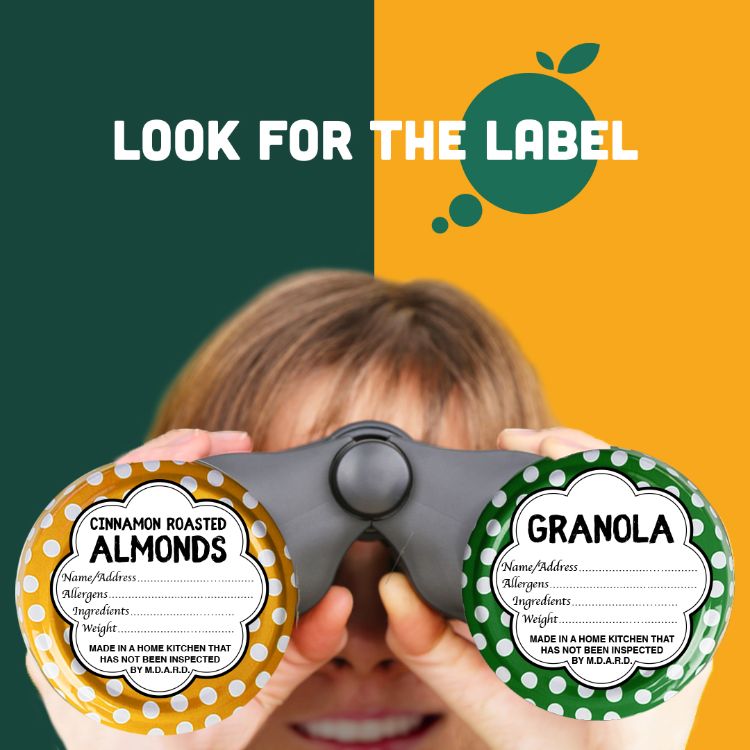
28 Ingredients Are Listed On A Label In Which Order By Weight - Labels 2021
Understanding Ingredients on Food Labels | American Heart Association ... There are many terms used for sugar on food labels. You might see sugar listed as the fourth ingredient in a product and think it's not so bad. But sugar can also be listed as high-fructose corn syrup or corn syrup, agave nectar, barley malt syrup or dehydrated cane juice, to name just a few. Read more about sugar and sweeteners.
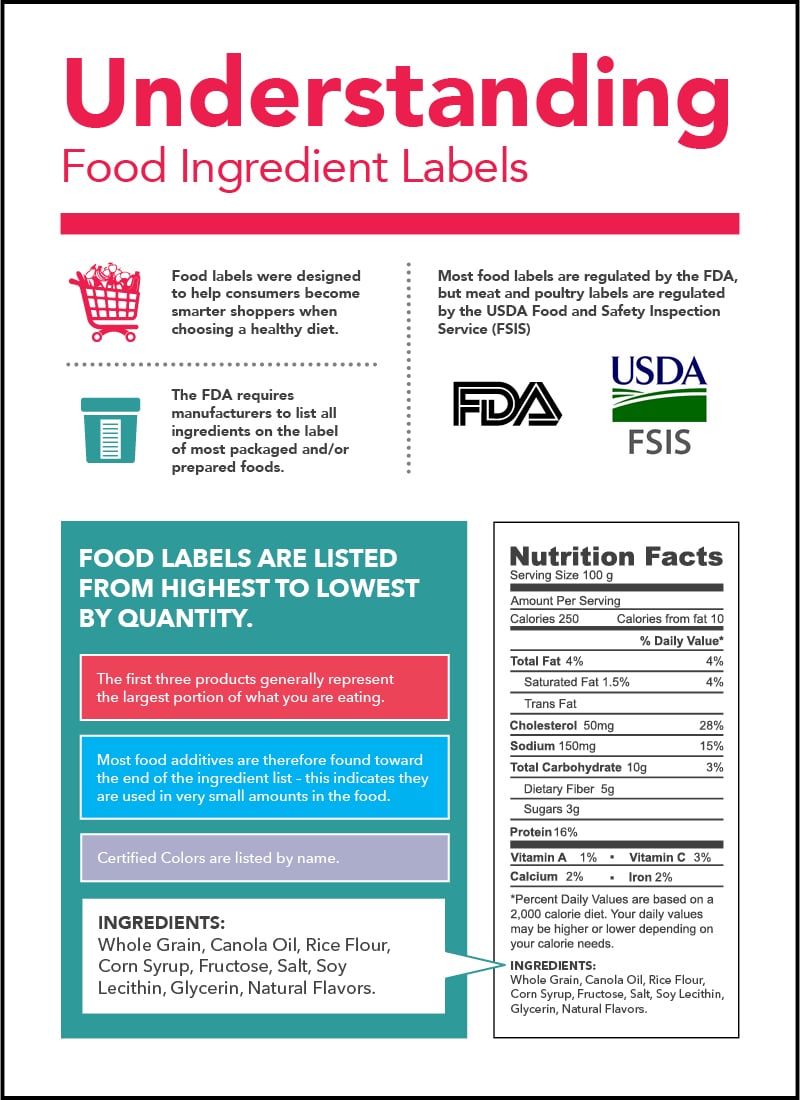
10127-3577 IFAC Understanding Food Labels Infographic 2 - Food Ingredient Facts
› articles › 32732516 ways to reduce food waste at home, school, and more Dec 16, 2019 · Perishable items, such as fruits and vegetables, each have their best way to store to avoid spoilage. Some tips include: keeping the refrigerator below 5°C (41°F); storing cooked foods on ...
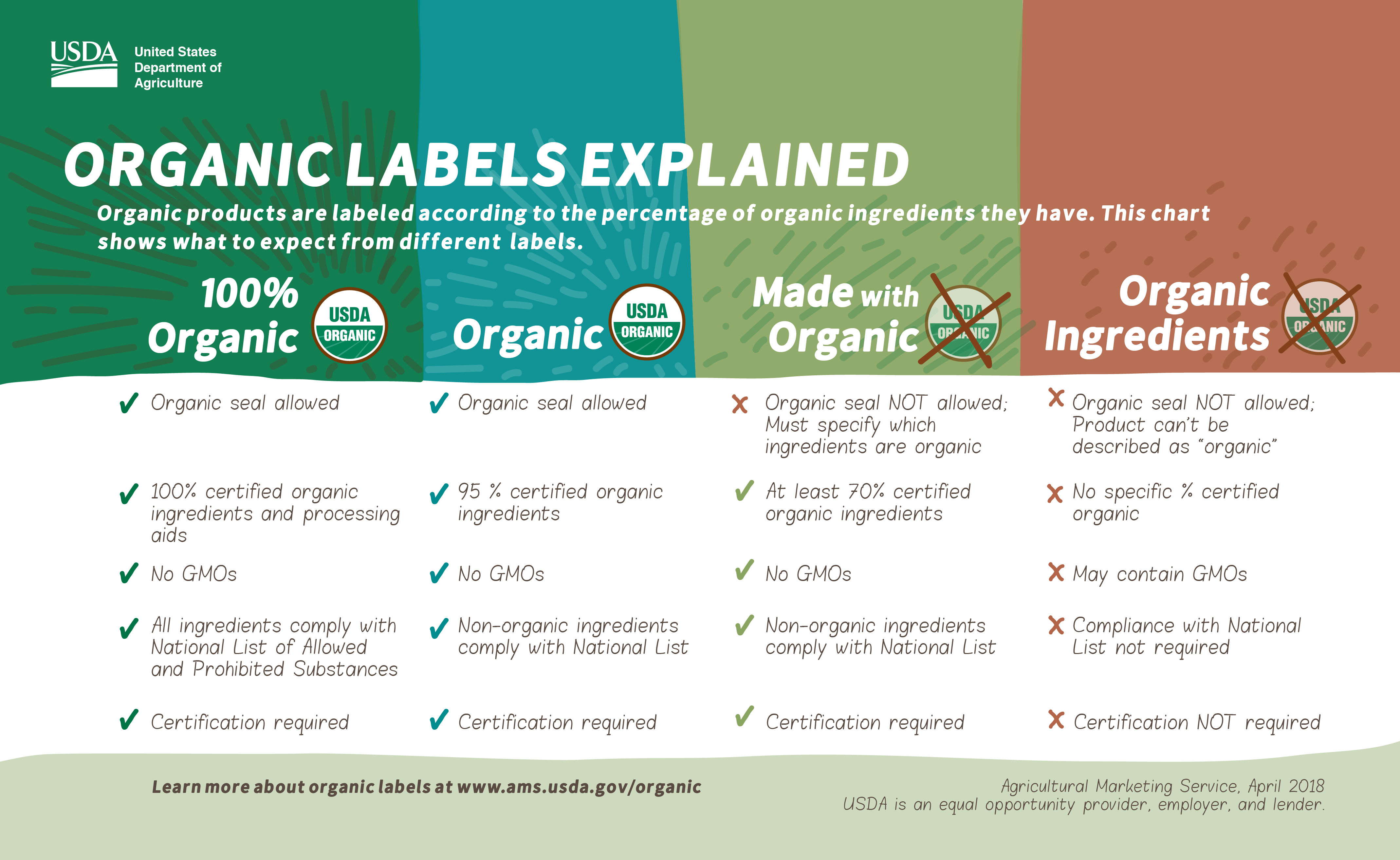
What’s Behind the Organic Seal? Organic Labels Explained | Agricultural Marketing Service
Labels - Understanding ingredient labels - Center for Research on ... Cosmetic labels provide an overview of what the product does, the ingredients in the product, and any allergens (e.g., nut oils, etc.). Food labels will have the ingredient list under the " Nutrition Facts " heading to provide vital nutrient information for the product. It will also list allergen information.
Post a Comment for "39 understanding ingredients on food labels"